Fence Contractors: Costs, Services, and What to Expect
October 14, 2026
Whether you're looking to enhance privacy, improve security, or simply add aesthetic appeal to your outdoor space, hiring professional fence contractors is a key step. This article explores the ins and outs of working with fence contractors, including cost expectations, service offerings, and tips for finding reputable professionals in your area. By the end of this guide, you'll have a comprehensive understanding of what to expect when working with fence contractors, how to plan your budget, and how to ensure a successful installation.
Understanding Fence Installation Costs
The cost of installing a fence is influenced by several factors, one of the primary being the material selection. Materials range from wood and vinyl to chain link and wrought iron, each carrying its own price tag and maintenance needs. In addition to materials, the overall height and length of the fence play significant roles. Complex terrains can increase labor time, while simpler, flat surfaces might reduce costs. Permit and inspection fees also contribute to the overall expenses, and these can vary widely depending on local bylaws.
The average price range of fence installations varies with the type of fence being installed. For instance, vinyl fences can be more expensive initially but might offer lower maintenance costs in the long run compared to wood. Regional differences in labor costs can also affect pricing, with urban areas often commanding higher rates. It's important to consider both standard and custom designs, as custom work will generally increase the cost. Moreover, understanding potential fluctuations in material costs is crucial for budgeting purposes.
Estimating the total cost of ownership involves considering long-term factors such as maintenance, durability, and potential repairs. Fences made from durable materials like metal may demand higher upfront costs but offer significant savings over time due to fewer repairs and replacements. Evaluating warranty and insurance options is critical, as these can offset unexpected repair costs. When comparing quotes from fence contractors, be sure to request detailed estimates to pinpoint any hidden costs. According to Bob Vila, a fence that's 150 to 200 feet long takes about 20 to 35 hours to install, indicating the labor portion of your budget.
Types of Fences Available
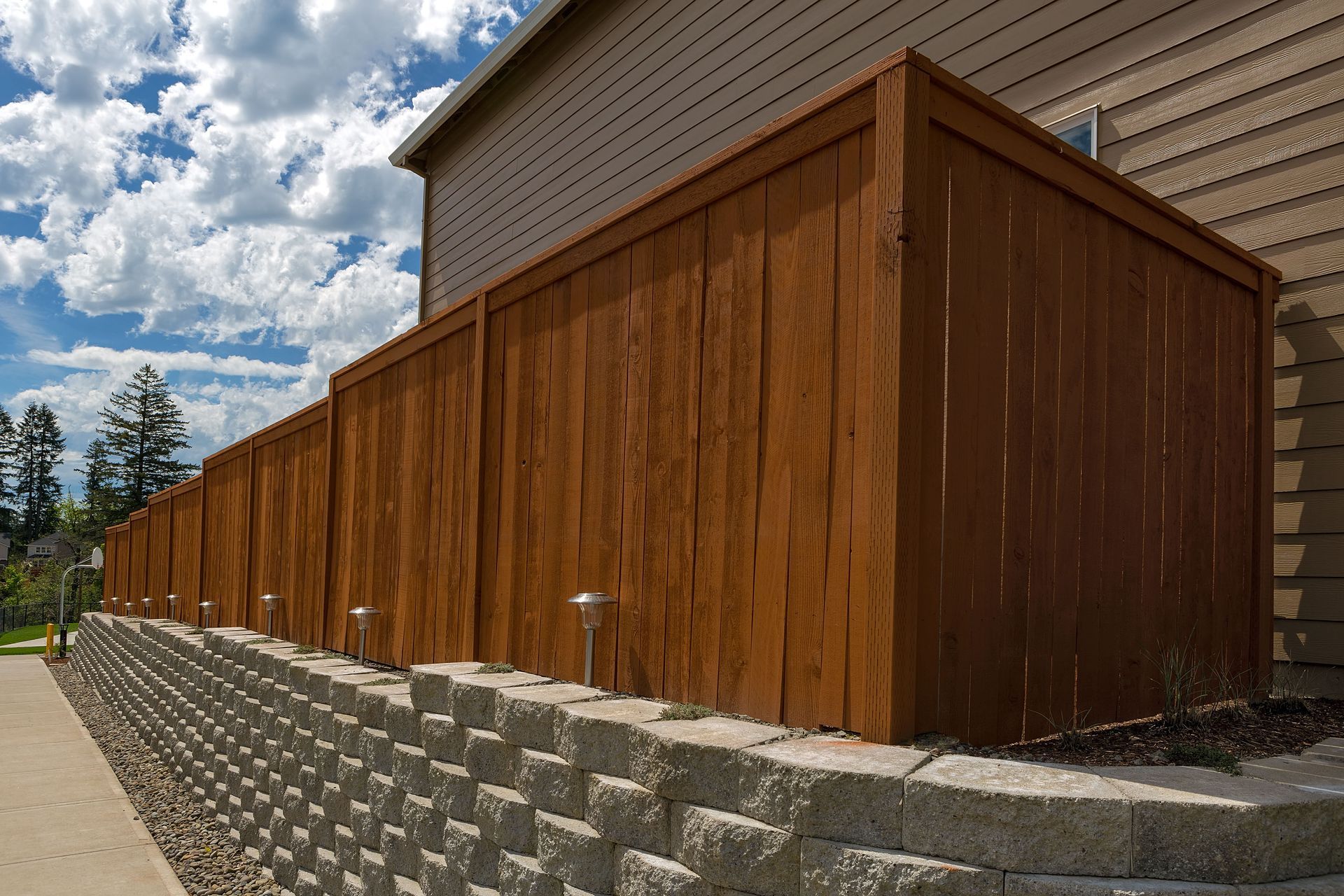
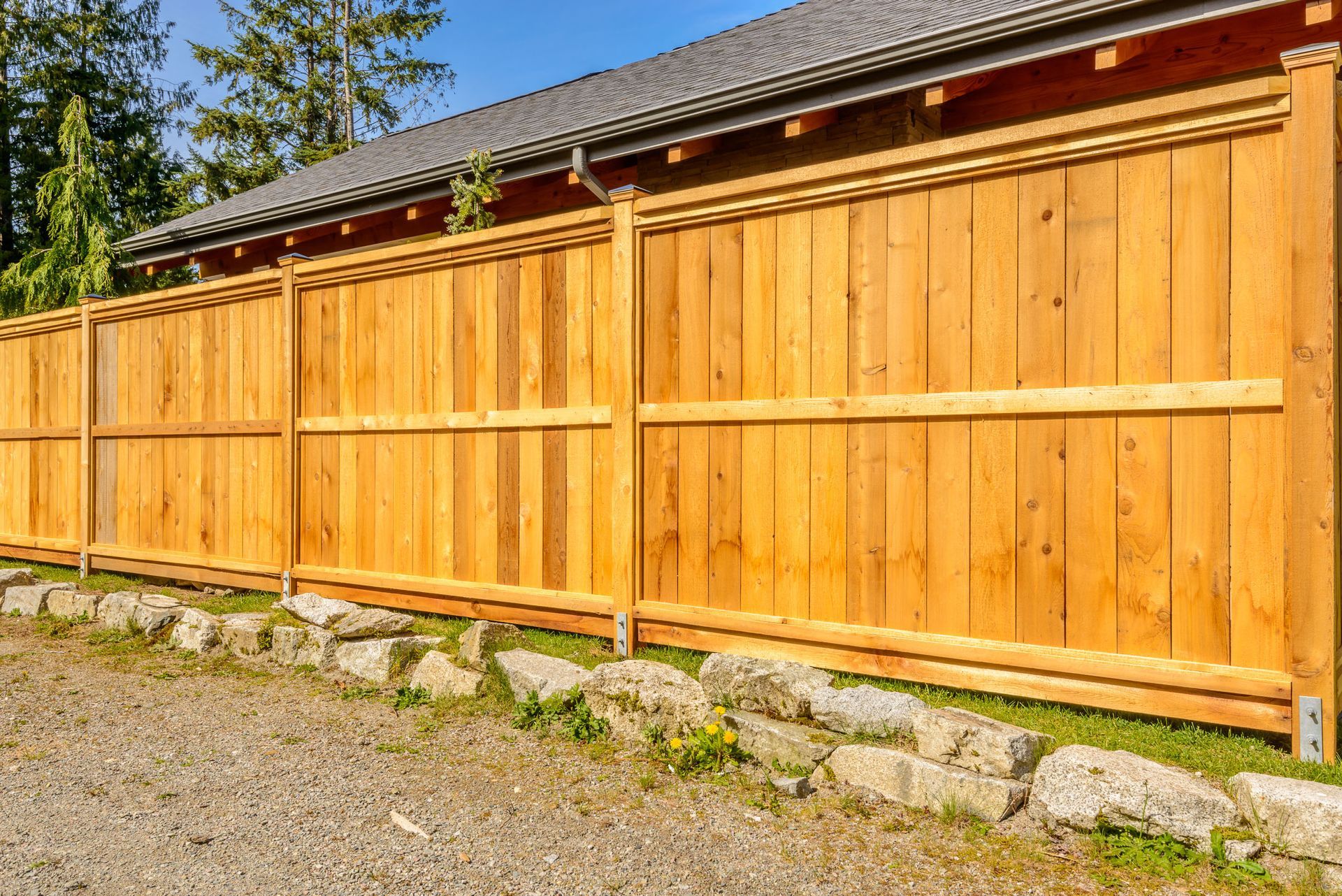
Wood fences are celebrated for their design versatility and natural look, making them a popular choice among homeowners. Popular style trends may include picket, board-on-board, or shadowbox designs, each offering unique aesthetic and functional benefits. Maintenance requirements for wood fences include regular treatment to prevent decay and warping, often leading to higher lifetime costs. When selecting wood, choosing weather-resistant varieties such as cedar, pine, or redwood can ensure longevity. Cedar, in particular, is preferred for its natural resistance to pests and decay.
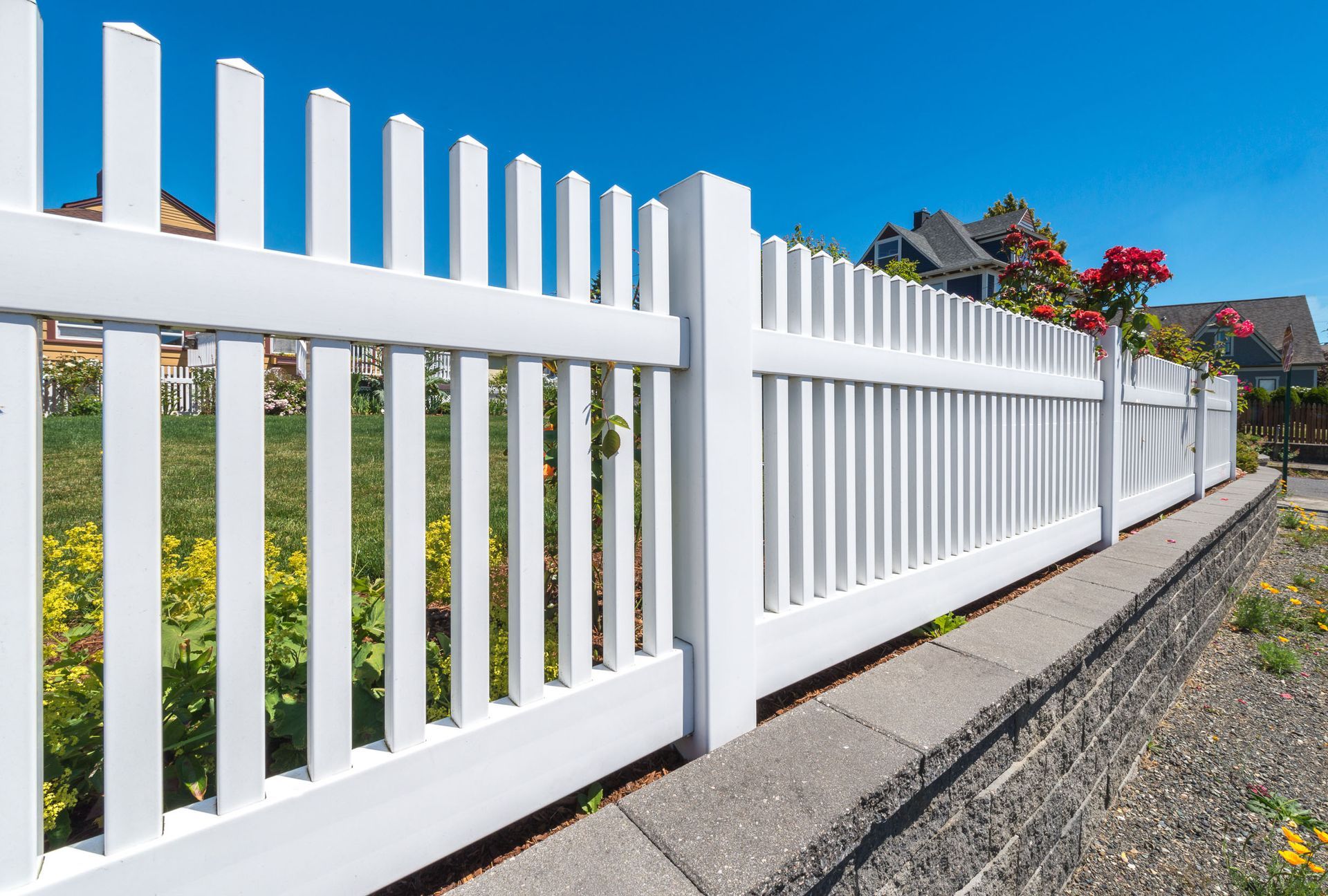
Vinyl fences are gaining popularity due to their durability and minimal maintenance requirements. Available in various colors and textures, vinyl offers a customizable option for any home aesthetic while standing strong against harsh weather conditions. This type of fencing typically boasts a longer lifespan compared to wood alternatives. While the upfront cost is higher, the lack of ongoing maintenance can result in significant long-term savings. Comparing vinyl to other materials highlights the advantages, especially for those looking for a low-maintenance solution.
Metal fences, including aluminum, steel, and wrought iron, offer robust security and enduring strength. Aluminum fences are lightweight and boast low maintenance needs, while steel and wrought iron provide added security at a higher price point. Design possibilities range from simple ornamental styles to intricate, custom designs that enhance curb appeal. They are resistant to weather and corrosion, offering both aesthetic appeal and longevity. Maintenance typically involves coatings to protect against rust and corrosion to extend the life of the fence.
Choosing the Right Contractor
Researching local fence contractors is the first step in finding a reliable professional for your fencing needs. Online resources and directories can provide a wealth of information regarding available services and customer feedback. Checking credentials and qualifications is essential to ensure the contractor meets local and state requirements. Reading reviews and testimonials provides insights into the contractor's reliability and past project outcomes. Always ask for references from previous clients to get firsthand accounts of their experiences and satisfaction.
During interviews, prepare a list of questions to assess the contractor's understanding and approach to your project. Evaluating their professionalism and punctuality can be indicative of their overall service quality. Discussing project timelines ensures that both parties have clear expectations regarding the completion date. Clarifying communication processes can help avoid misunderstandings throughout the project's duration. Negotiating contractual terms concerning any potential changes or adjustments can set a solid foundation for both parties.
Assessing a contractor's expertise and specialties impacts the overall success of your fence installation. Fence contractors with experience in specific materials can suggest the best options suited to your environment and budget. Familiarity with local regulations enables them to proficiently handle permits and adhere to building codes. Technical skills and certifications contribute to quality workmanship, enhancing the project's stability and lifespan. Furthermore, contractors with creative design capabilities offer more bespoke solutions to meet client preferences.
Preparing for Your Fence Installation
The initial planning and design phase is crucial for a successful fence installation. Identifying your key goals, such as privacy, security, or aesthetics, helps shape your choices. Creating a layout plan involves reviewing property lines to prevent future discrepancies and disagreements with neighbors. Setting design priorities ensures your fence meets functional and visual needs. Consulting with your fence contractors during this phase allows for incorporating professional recommendations for optimizing the design.
Understanding the Installation Process
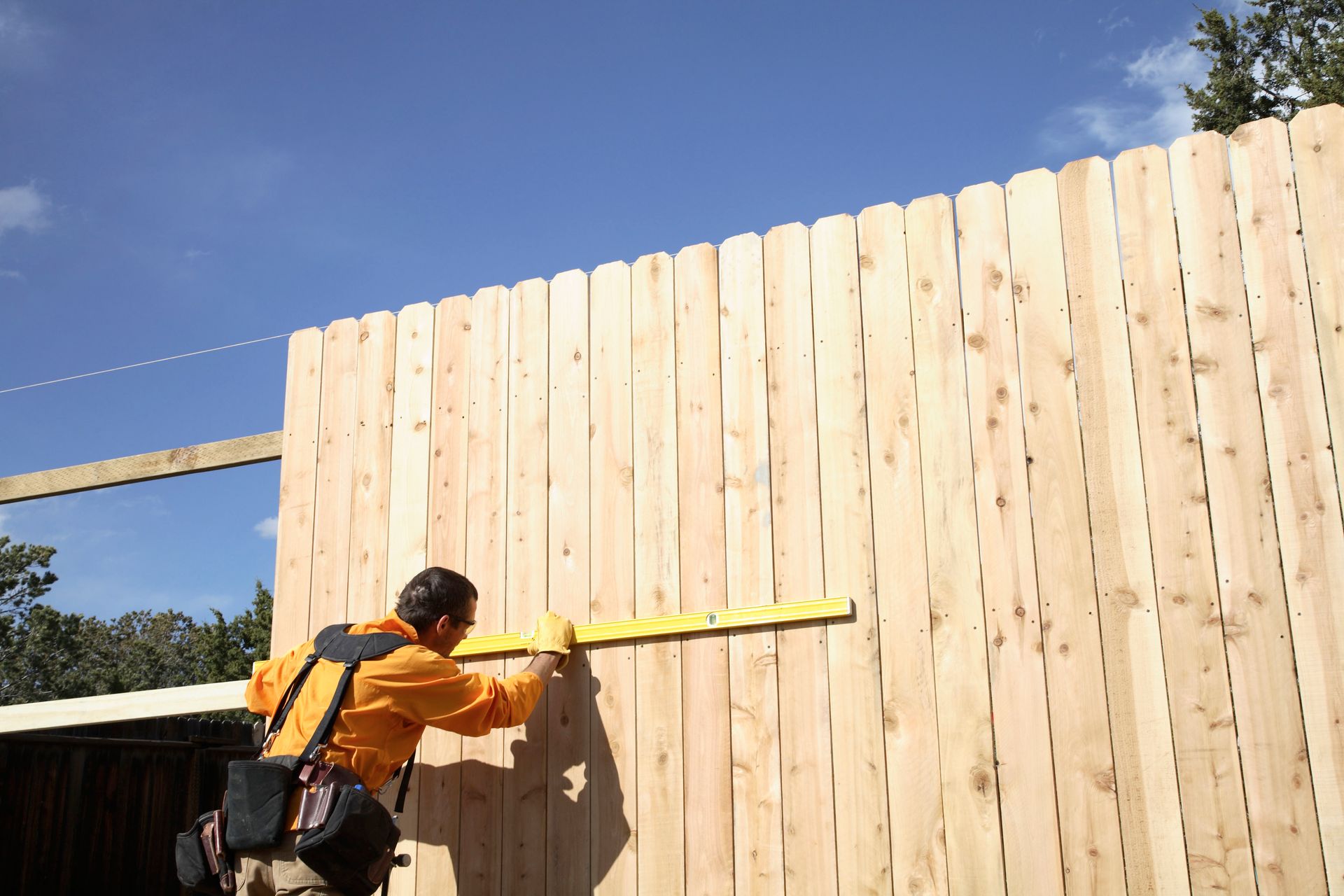
There are several steps involved in fence installation, each critical for achieving a robust and aesthetically pleasing result. The first physical step is digging the post holes, followed by securely setting and reinforcing the fence posts. Once the groundwork is in place, fence panels are attached, forming the primary structure. Finally, finishing touches are added, and the site is cleaned to restore the landscape to its original state.
Managing challenges on installation day requires clear communication and adaptive problem-solving skills. Weather conditions can significantly impact the schedule, requiring flexibility in managing timelines. Addressing unexpected obstacles, such as hidden underground utilities, can prevent damage and associated delays. Effective communication with the installation team ensures everyone is aligned, reducing the chance of errors. Monitoring the quality and alignment of the work in progress helps ensure the final product meets the desired specifications.
The final inspection and approval process marks the culmination of the installation phase. A comprehensive walkthrough with the fence contractors allows for the identification of any missed specifications or structural issues. The fence must adhere to both the agreed-upon design and local regulations to pass the inspection. Ensuring stability and quality is crucial, as it influences the fence's durability and aesthetic appeal. Once everything is in order, signing off on the project completion finalizes the installation, fully transitioning to the post-installation maintenance phase.
Enhancing Your Property with Additional Features
Incorporating gates and entrances into your fence design combines functionality with visual appeal. Selecting the right type and design depends on balancing security needs and desired accessibility. Opting between automated and manual gates can affect both the budget and usability. The choice of gate materials and design options should complement the overall fence style, creating a harmonious look. Lastly, installation considerations such as space constraints and locking mechanisms influence the stability and security of the setup.
Hiring fence contractors offers numerous benefits, from professional expertise to a polished final product. By understanding costs, exploring available services, and knowing what to expect, you can ensure that your fence installation not only meets your immediate needs but also adds value and beauty to your property. Take the time to choose the right contractor, plan thoroughly, and consider complementary features for a result that you will enjoy for years to come. If you're looking for fence contractors, contact Precision Fencing, LLC today.