Fence Installation Guide: The Right Style for Security, Privacy and Appeal
August 17, 2026
This guide aims to help homeowners and property managers choose the best fence style for their needs, whether it's for improved security, increased privacy, or enhanced curb appeal. We will explore various options, materials, and considerations to assist in making an informed decision. By focusing on these aspects, you can ensure your fence installation meets your specific requirements. Fencing not only serves a functional purpose but also contributes to the aesthetic value of your property. Let's delve into the factors you should consider when planning your fence installation.
Understanding of Property Needs and Purpose
Assessment of Security Requirements
When it comes to enhancing security, evaluating the potential risks and vulnerabilities of your property is paramount. A high, solid fence can act as a significant deterrent and boundary to protect your home from unwanted intrusions. According to Bob Vila, most residential fences are between three and eight feet tall, and opting for the higher end of this range can maximally boost security. Additionally, research the typical crime rates in your area to better understand the kind of fence that would offer maximum protection. Ensure the fence design minimizes handholds and footholds that could be exploited by intruders.
Evaluation of Privacy Levels
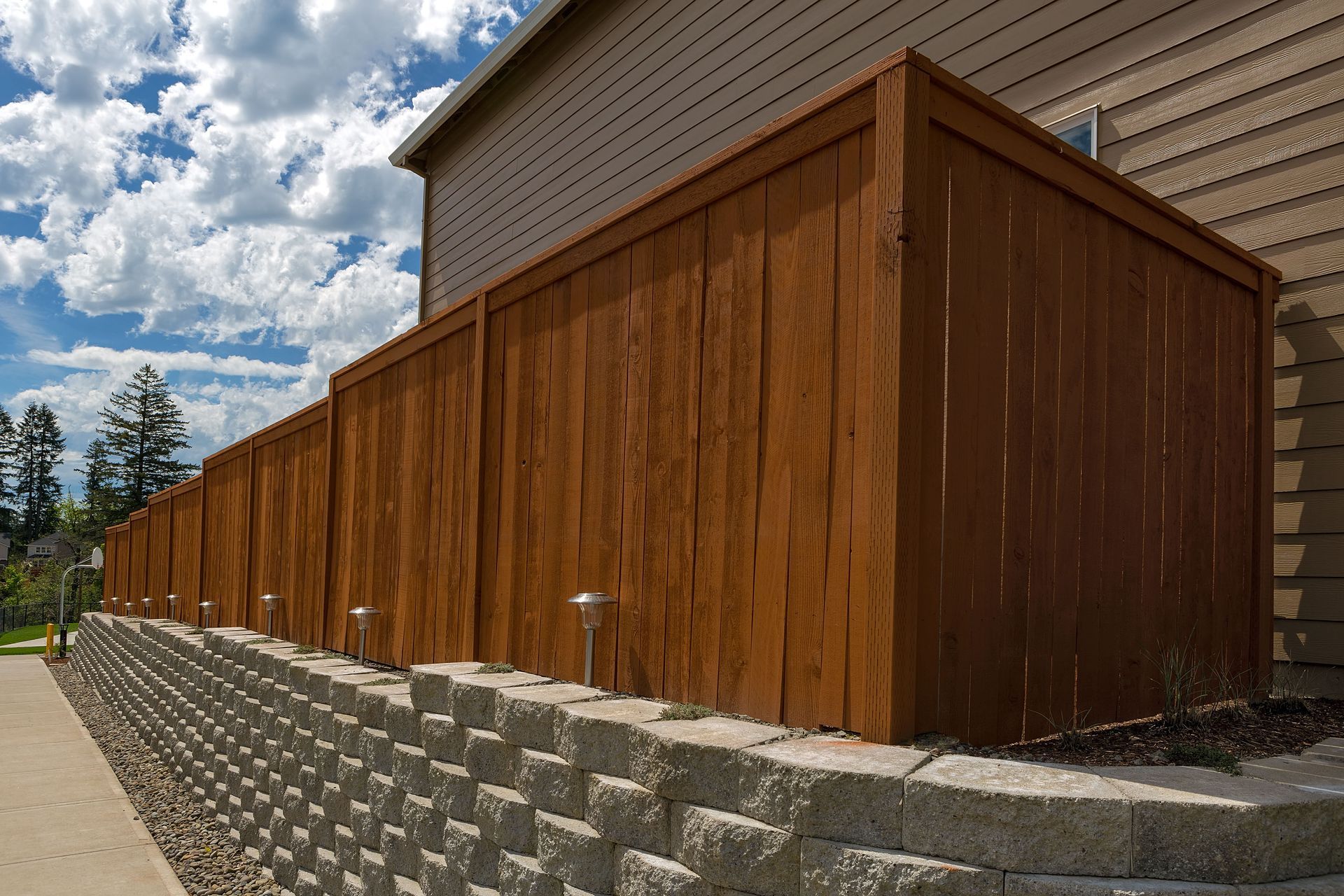
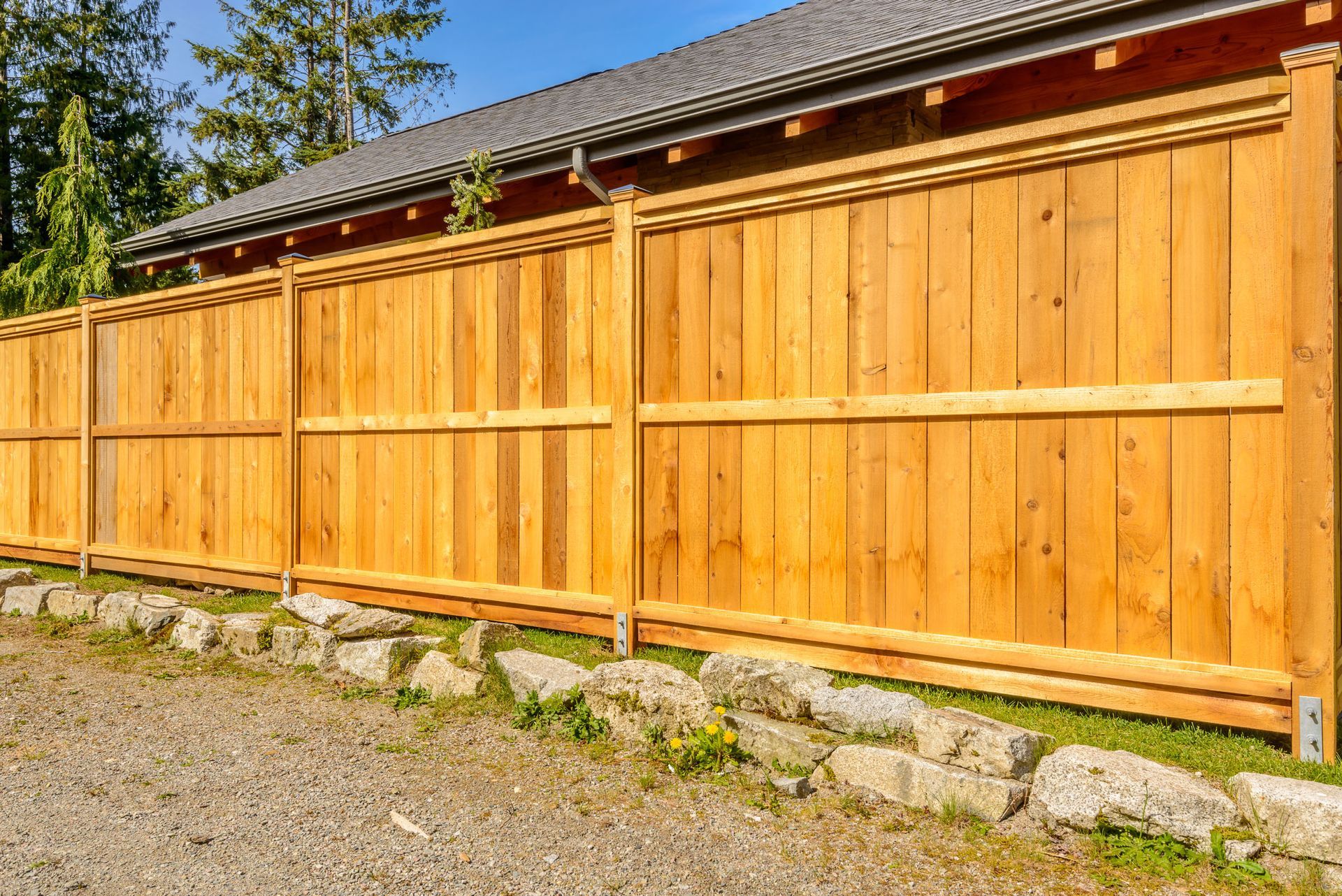
Privacy is a primary consideration when planning a fence installation, especially in densely populated areas. Establishing how much privacy you require will help you decide on the height and style, such as board-on-board, shadowbox, or tongue-and-groove designs that offer maximum blockage. For suburban homes where community interaction is significant, balanced designs that allow visual connection like lattice-topped fences might be more appropriate. Alternatively, taller fences provide excellent solutions for those who prioritize solitude and do not wish to interact with neighbors passively.
Analysis of Aesthetic Preferences
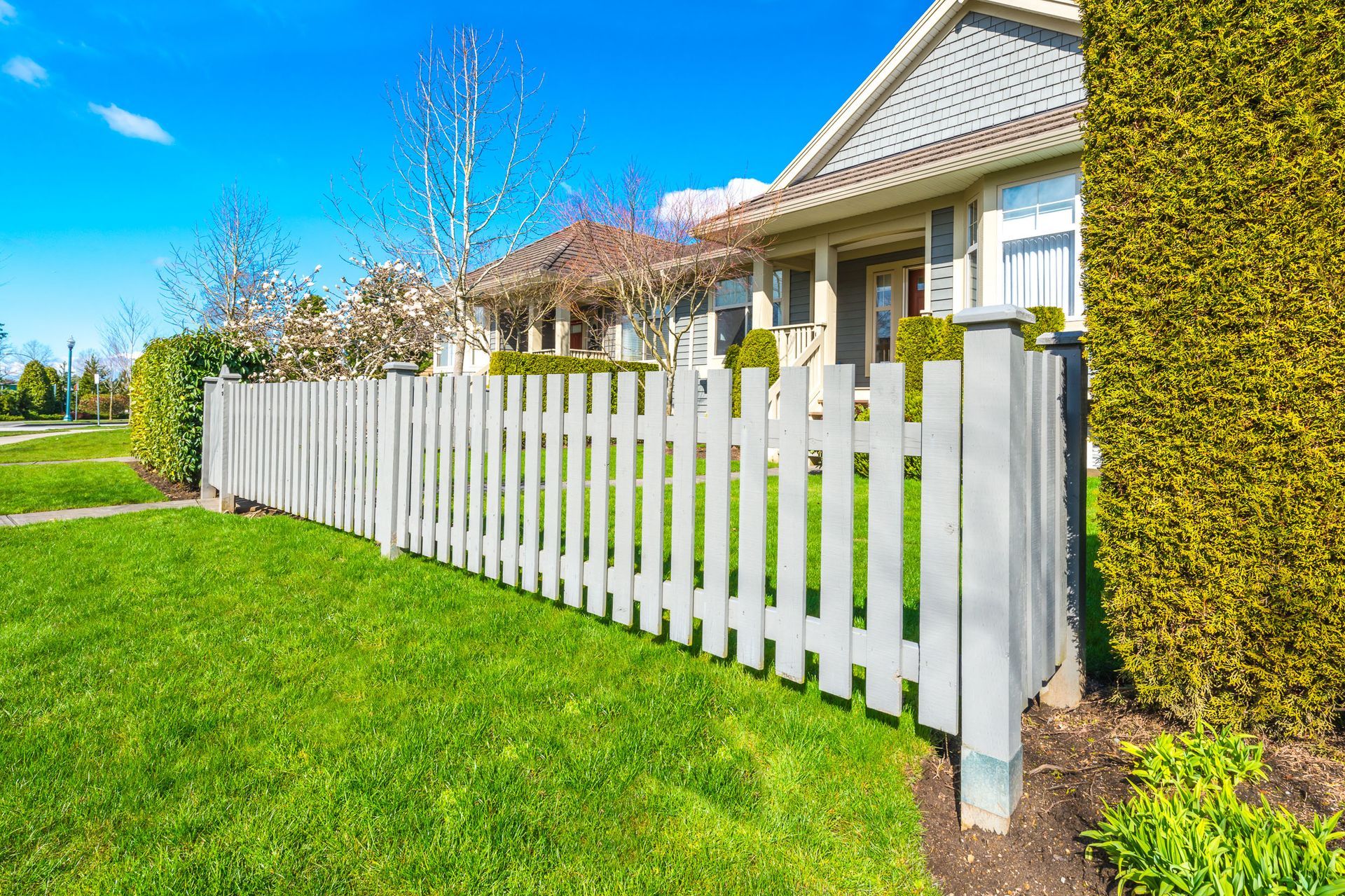
While functionality is paramount, the fence's aesthetic appeal should not be overlooked, as it is a significant factor in enhancing your property's curb appeal. Evaluating aesthetic preferences involves exploring styles and colors that harmonize with your home's architecture and landscaping. Contemporary homes might favor sleek materials like metal or composite, while traditional homes harmonize beautifully with classic wooden or natural stone designs. It's vital to strike a balance between form and function.
Formulation of Budget Considerations
Budget considerations are pivotal in the fence installation decision-making process, determining the scope and scale of the project. Begin by setting a realistic budget that aligns with your goals for security, privacy, and appeal to avoid cost overruns. Be sure to include costs for labor, materials, permits, and additional security or aesthetic features. Comparing quotes from multiple contractors gives a clearer picture of market pricing and potential cost-saving opportunities.
Identification of Future Maintenance Requirements
Long-term maintenance is a critical aspect of fence ownership that affects the durability and appearance of your installation. Wood fences require regular staining or sealing to prevent rot and deterioration, while vinyl offers a low-maintenance alternative with only occasional cleaning needed. Metal fences should be checked for rust and painted or treated accordingly to maintain their integrity. Understanding these demands ensures you choose a fence you can feasibly maintain over the years.
Selection of Appropriate Fencing Materials
Wood: Timeless Charm and Versatility
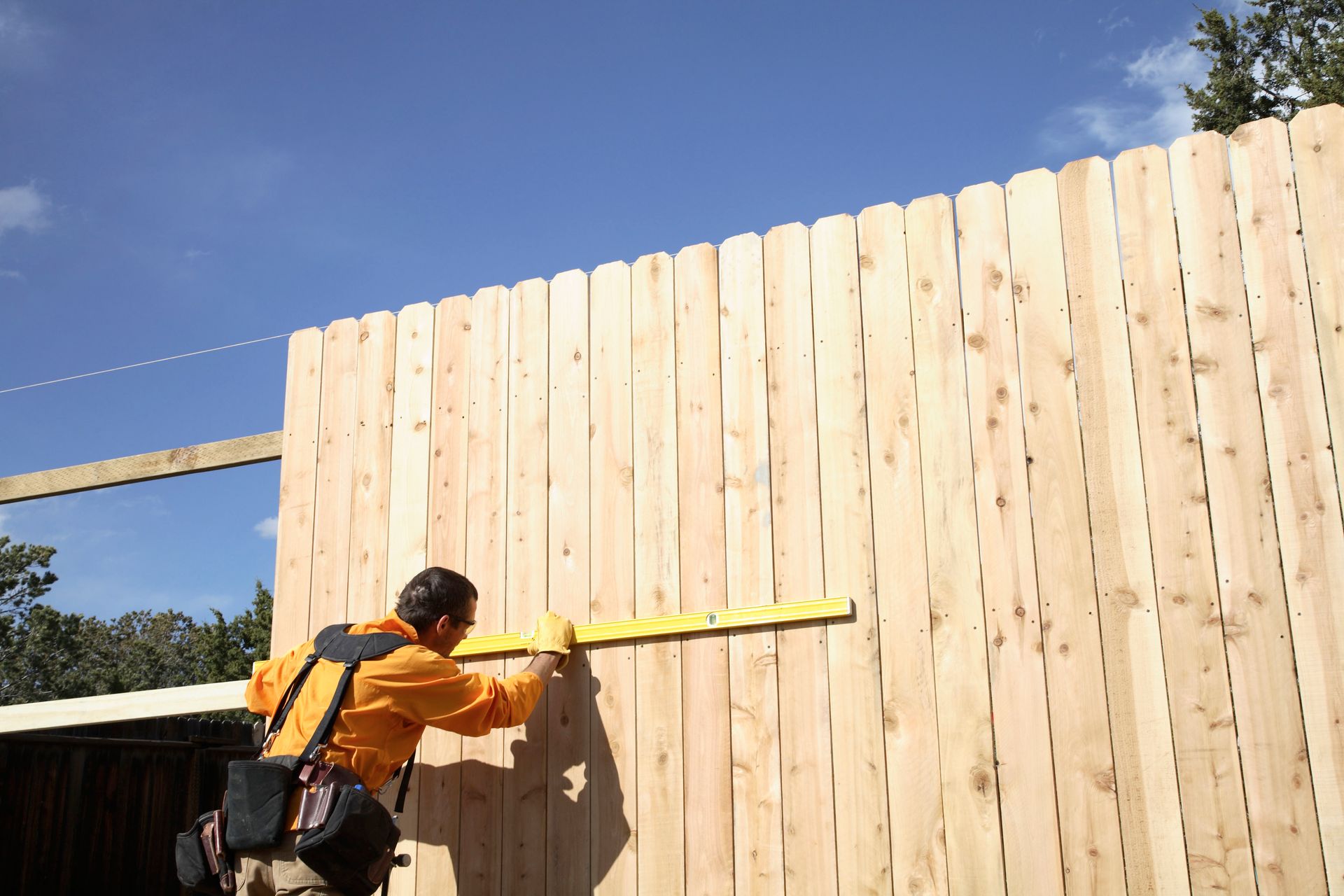
Wood is a popular fencing material due to its classic appeal and versatility for design customization. It offers a warm, natural look and can be painted or stained to match any home style, making it suitable for a range of architectural aesthetics. Furthermore, wood is a versatile option that allows for ornate styles such as lattice, board-on-board, or shadowbox designs that can enhance both security and privacy. However, wood requires regular maintenance to fend off issues like rot, insect damage, and weather-induced wear.
Vinyl: Low Maintenance and Longevity
Vinyl emerged as a revolutionary fencing material recognized for its low maintenance and impressive longevity. Unlike wood, vinyl doesn’t require painting or sealing and is resistant to rot, pests, and weather damage, making it a dependable and attractive long-term solution. Its durability ensures that it maintains its appearance and functionality with minimal maintenance, often needing only occasional cleaning with soap and water to prevent staining from mildew or environmental particles.
Metal: Strength and Security
Metal fences provide unmatched strength and security, with various styles that accommodate different visual and functional preferences. Common metal fencing options include aluminum, steel, and wrought iron, each offering specific benefits tailored to diverse situations. Aluminum is lightweight, resistant to rust, and ideal for decorative purposes, whereas steel provides heavy-duty security and durability. Wrought iron, though more labor-intensive, provides an elegant and customizable aesthetic suitable for high-end installations.
Chain Link: Functional and Cost-Effective
Chain link is a pragmatic choice celebrated for its functionality, ease of installation, and budget-friendly nature. While it may not offer the privacy or aesthetic appeal of other options, it excels in delineating boundaries, securing properties, and containing pets. Its open weave provides excellent transparency, making a chain-link fence installation suitable for situations where visibility is required for security purposes.
Navigation of Legal Considerations and Regulations
Compliance with Local Zoning Laws
Local zoning laws are crucial considerations that govern a fence installation, encompassing directives on height, setback, and style. Often, municipalities have restrictions in place to maintain neighborhood aesthetics and ensure safety standards. These laws dictate where a fence can be placed and its maximum allowable height, reflecting variations in residential versus commercial regulations. It's imperative to research and follow local guidelines to avoid potential fines or mandated alterations post-installation.
Prevention of Boundary Disputes
Conducting boundary surveys is an essential step before a fence installation, serving as a preventative measure against future disputes with neighbors. A professional surveyor precisely delineates your property lines, ensuring your fence is correctly positioned according to legal boundaries. Such surveys offer definitive proof of property lines, enhancing clarity if disputes arise. They remain a worthwhile investment that mitigates costly legal confrontations down the line.
Adherence to HOA Guidelines
Homeowners Association (HOA) guidelines represent another layer of regulations influencing fence design and installation. Many communities enforce HOA rules to maintain uniform aesthetics and prevent discord, with diverse stipulations ranging from material and style to color restrictions. Violating these rules can result in fines or orders to dismantle or alter the fence, underscoring the importance of familiarizing yourself with the association's master documents before committing to a fence installation.
Acquisition of Permits and Documentation
Acquiring necessary permits and proper documentation facilitates seamless fence installation projects by verifying legality and compliance. Building permits reflect localized safety and environmental standards, offering guidance on construction suitability for varying conditions such as soil stability or wind resistance. Failing to secure permits can result in costly regulatory violations or forced project adjustments, highlighting their importance in the planning phase.
Selecting the ideal fencing solution requires a balanced evaluation of your property's security demands, privacy preferences, aesthetic goals, and long-term maintenance capacity. Whether opting for the natural elegance of wood, the low-maintenance durability of vinyl, the robust strength of metal, or the eco-conscious resilience of composite materials, proper material selection ensures lasting performance. Furthermore, navigating local zoning laws, boundary surveys, and HOA guidelines beforehand prevents costly project delays and legal disputes. Taking a structured, informed approach to planning ultimately guarantees a functional, attractive boundary that enhances curb appeal and protects your property for years to come.
Secure your property and elevate your curb appeal by contacting Precision Fencing, LLC today for your personalized consultation!