Fence Installation Done Quickly and Professionally
June 10, 2026
Fence installation is one of the most effective ways to improve privacy, security, and curb appeal around a residential or commercial property. A well-planned fence installation not only defines property boundaries but also enhances the overall look and functionality of outdoor space. Whether the goal is to keep pets safe, increase privacy from neighbors, or simply upgrade landscaping aesthetics, fence installation plays a central role in achieving those outcomes.
A successful fence installation requires more than just putting posts in the ground. It involves careful planning, proper material selection, and attention to structural detail. When done correctly, fence installation can last for decades with minimal maintenance. Homeowners who understand the basics of fence installation are better prepared to make informed decisions and avoid common mistakes that can lead to costly repairs or premature replacement.
This article breaks down the entire process of fence installation, from preparation to cost considerations, so property owners can approach their project with confidence and clarity.
What Are The Steps Involved In A Successful Fence Installation?
A proper fence installation begins with planning and layout. This includes determining the purpose of the fence, measuring the property line, and deciding on the height and style. Marking the boundary accurately is essential because even small errors can lead to disputes or the need to redo parts of the fence installation later.
Once the layout is confirmed, the next step is digging post holes at consistent intervals. These posts form the backbone of any fence installation, so they must be set deep enough to withstand wind, soil movement, and seasonal changes. Concrete is often used to secure the posts in place, ensuring long-term stability.
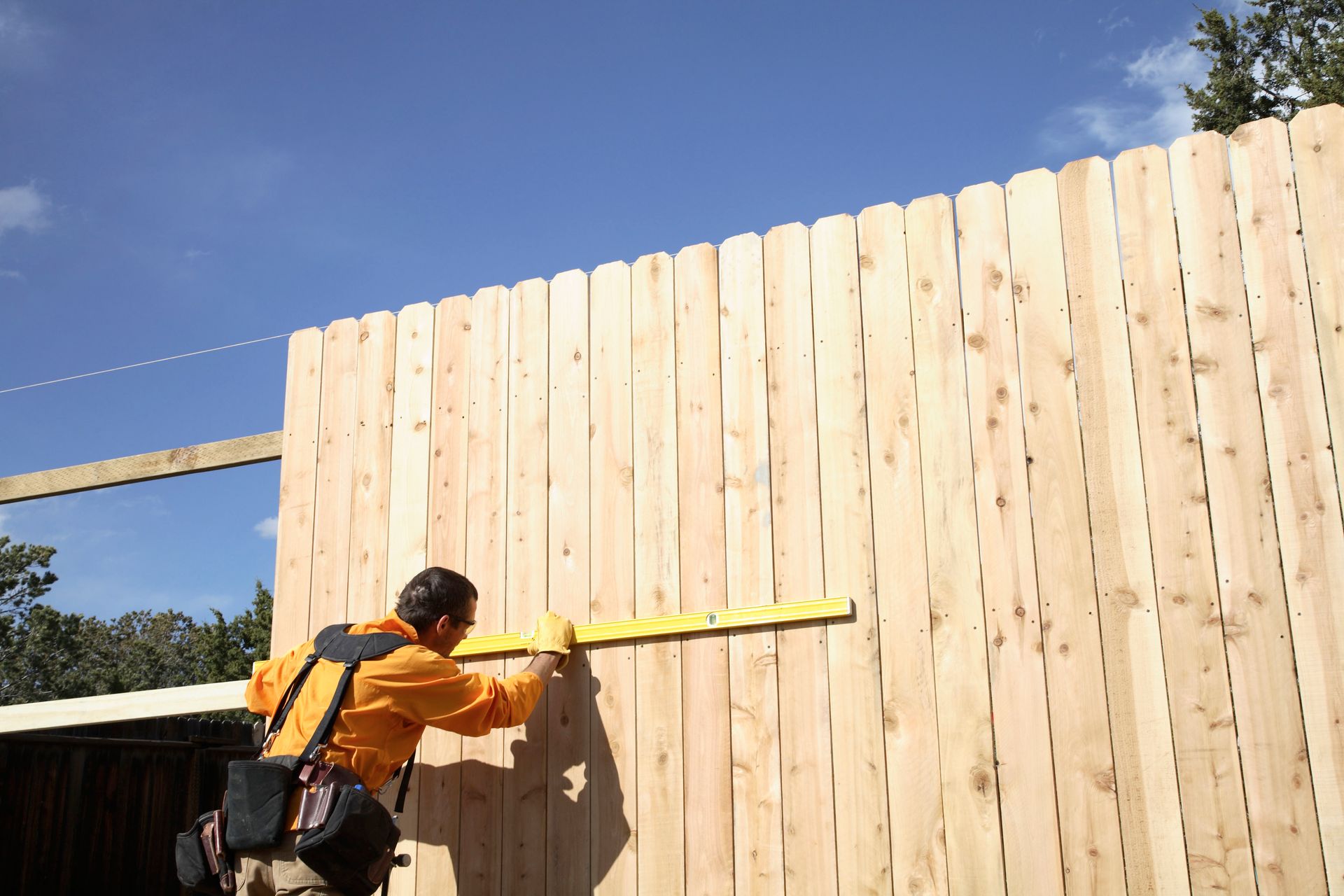
After the posts are set and cured, rails and panels are attached depending on the chosen design. Precision is important here because uneven spacing or misalignment can compromise both appearance and durability. A final inspection completes the fence installation process, ensuring everything is level, secure, and properly finished.
Professional crews often streamline fence installation by using specialized tools and experience to avoid delays and errors. A well-executed fence installation at this stage ensures long-term performance and minimal maintenance requirements.
How Can I Prepare My Site For Fence Installation?
Proper site preparation is one of the most important steps in ensuring a smooth fence installation process. The first step is clearing the area where the fence will be installed. This includes removing rocks, debris, plants, or old fencing materials that may interfere with new construction.
Next, it is essential to accurately mark property lines before any fence installation begins. Many homeowners consult property surveys or local records to avoid building over boundary lines. This step prevents legal issues and ensures the fence installation aligns correctly with ownership limits.
It is also important to contact utility companies before digging. Underground lines for gas, water, or electricity can create serious hazards if struck during fence installation. Marking these utilities in advance ensures safety and prevents costly damage.
Local building codes and HOA regulations may also impact fence installation plans. These rules can dictate height restrictions, material choices, and placement. Reviewing these requirements early helps avoid delays and ensures the fence installation meets all legal standards.
What Should I Consider When Choosing The Best Materials For Fence Installation?
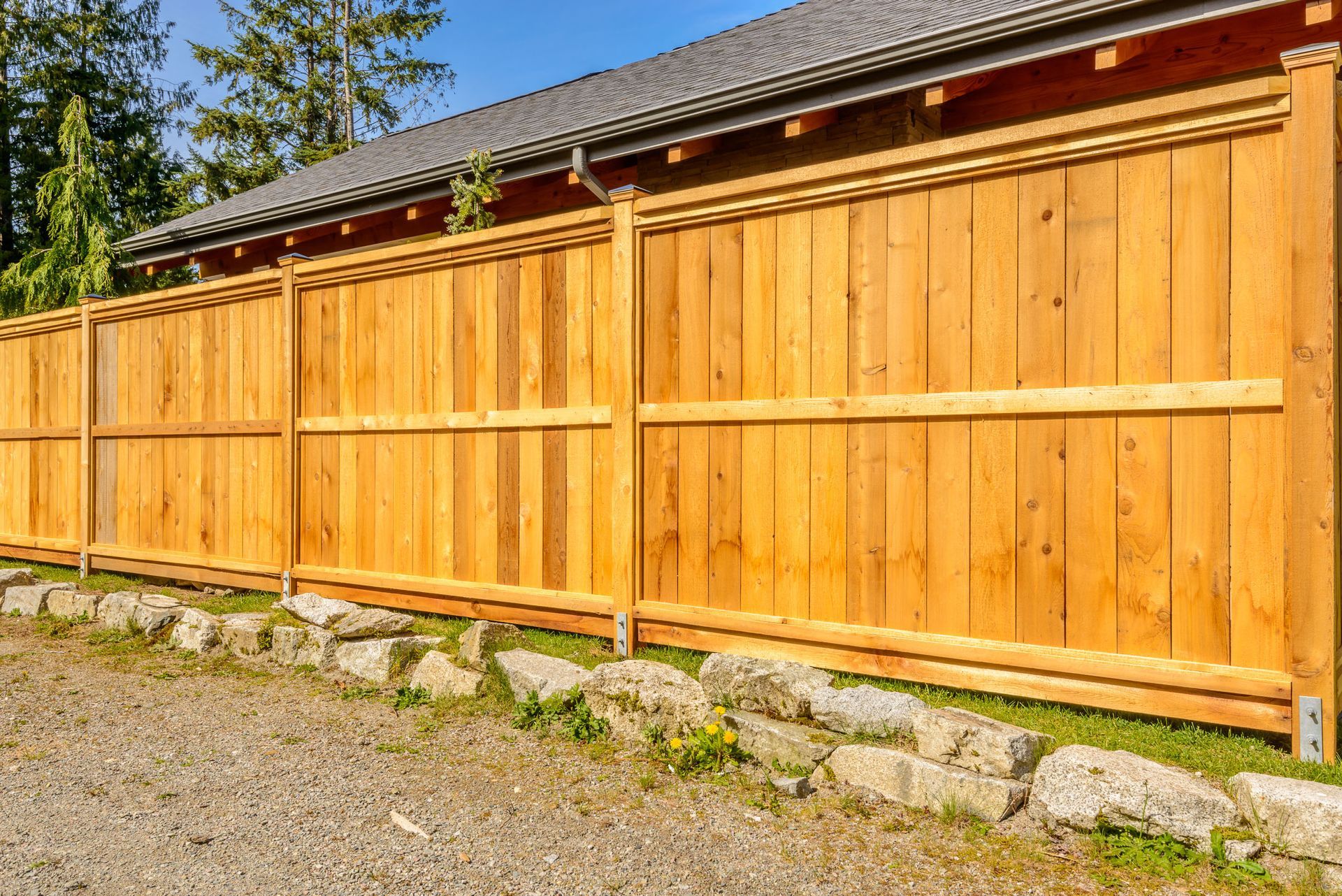
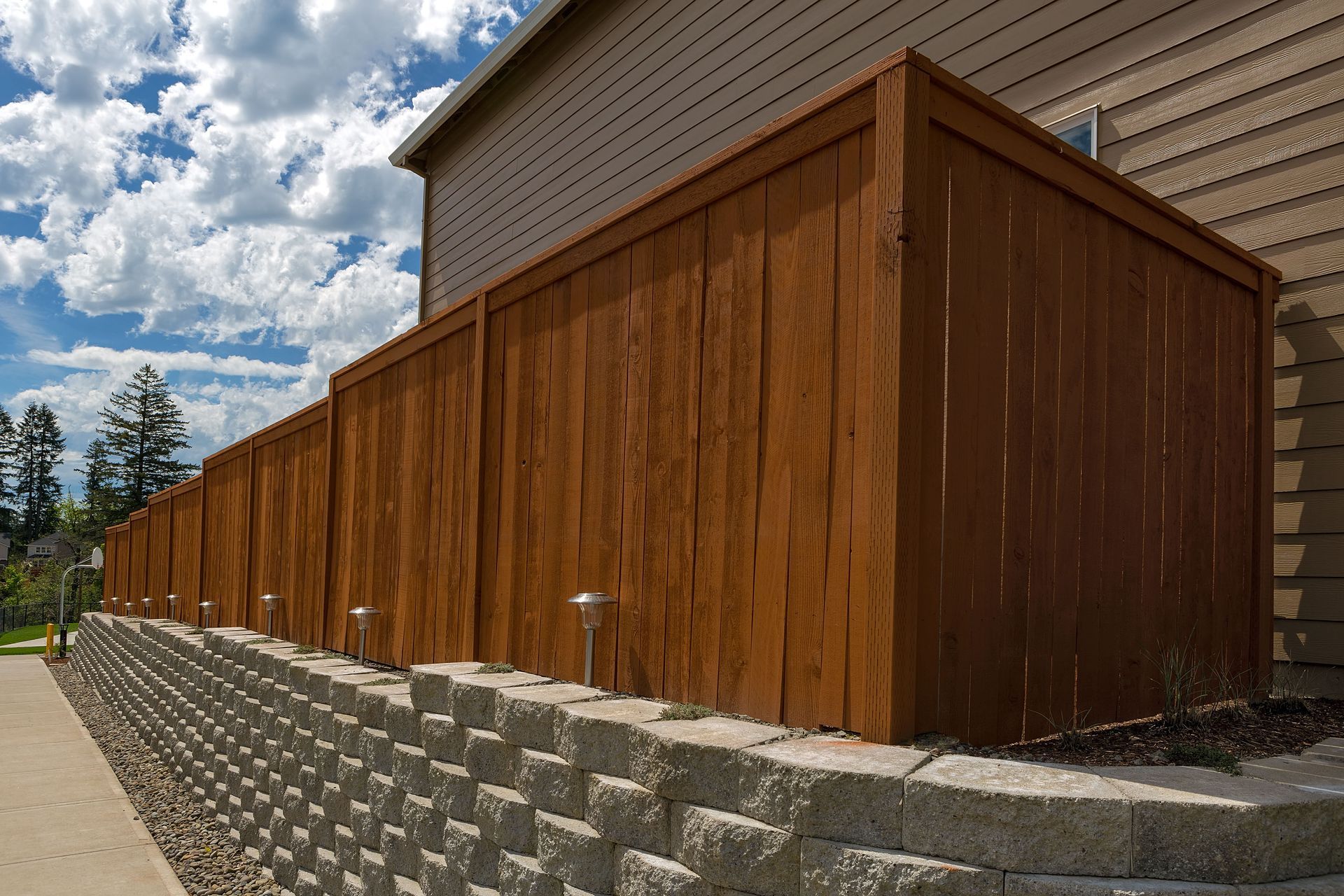
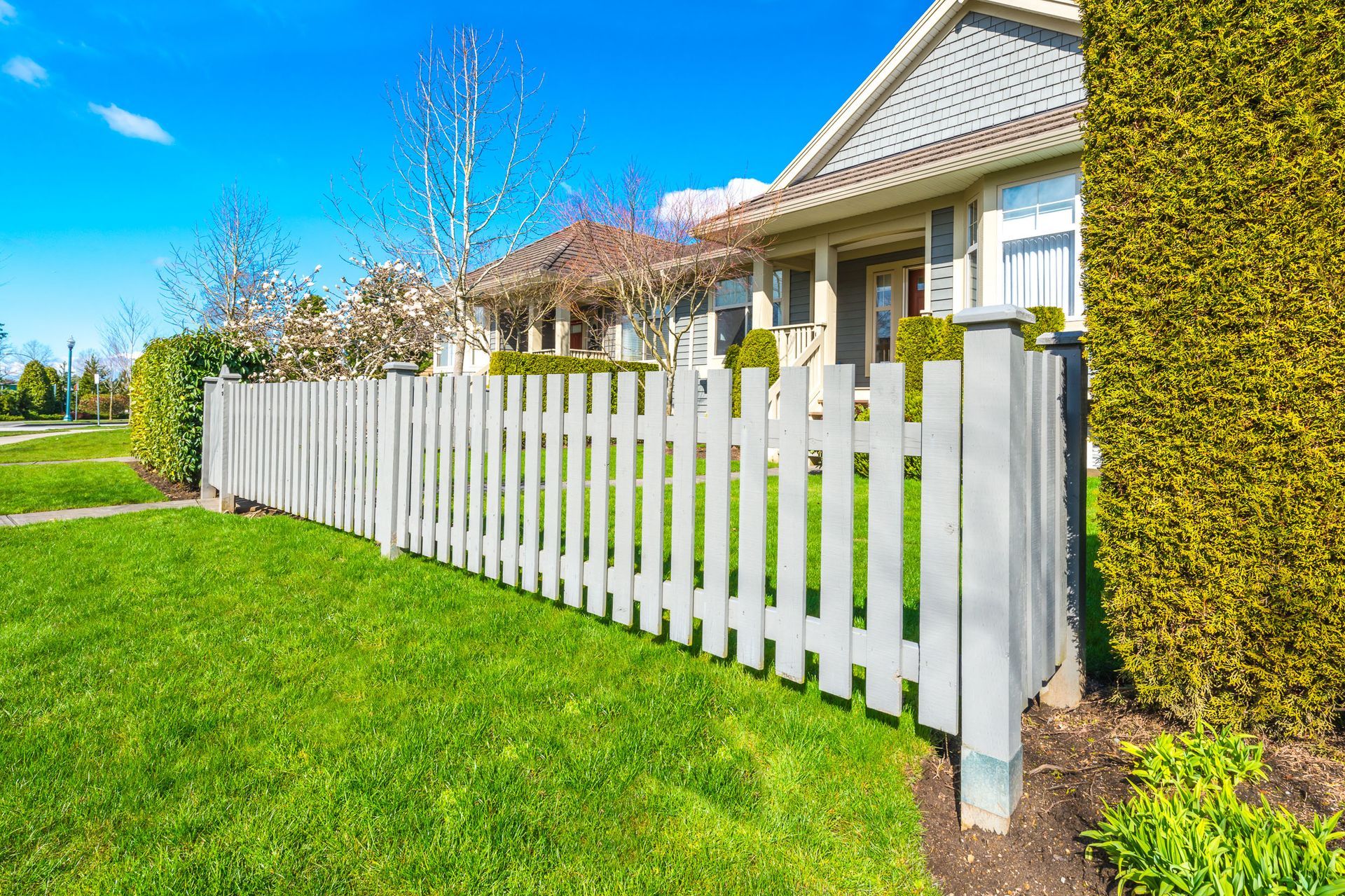
Material selection plays a major role in the outcome of any fence installation. Different materials offer different levels of durability, maintenance, and aesthetic appeal. Wood is often chosen for its natural appearance, while vinyl offers low-maintenance convenience. Metal options like aluminum or steel are frequently used for strength and security.
Climate is another important factor in fence installation decisions. In areas with heavy moisture or temperature fluctuations, certain materials may warp, rust, or deteriorate faster than others. Choosing the right material helps extend the lifespan of the fence installation and reduces long-term repair costs.
Homeowners should also consider maintenance requirements. Some materials used in fence installation require regular staining or sealing, while others only need occasional cleaning. Balancing appearance with practicality ensures the fence installation remains both functional and visually appealing over time.
Budget also influences material selection. While some premium materials increase initial fence installation costs, they may offer better durability and fewer repairs in the long run. Making informed choices at this stage ensures the fence installation delivers long-term value.
How Do I Ensure My Fence Is Installed Quickly Without Sacrificing Quality?
Speed and quality must be balanced carefully during fence installation. One of the best ways to achieve efficient results is through proper planning before work begins. When measurements, materials, and layout are clearly defined, fence installation can proceed without unnecessary delays.
Hiring experienced professionals also significantly improves efficiency. Skilled installers understand how to manage terrain challenges, set posts accurately, and complete fence installation tasks in a logical sequence. This reduces the likelihood of mistakes that can slow progress or require rework.
Weather conditions also impact fence installation timelines. Dry, stable conditions are ideal because rain or frozen ground can delay digging and setting posts. Planning around favorable weather helps maintain a consistent fence installation schedule.
According to HomeGuide, fence installation typically takes 2 to 4 days on average, depending on the fence type, length, material, and whether it is a new installation or a replacement. This timeframe highlights how efficiently a well-coordinated fence installation project can be completed when conditions are ideal and materials are readily available.
Using the right equipment further improves speed without sacrificing quality. Post hole diggers, laser levels, and power tools help ensure precision while reducing manual labor. When these tools are used correctly, fence installation becomes both faster and more accurate, resulting in a stronger finished product.
How Much Does Professional Fence Installation Typically Cost?
The cost of fence installation varies based on several key factors, including materials, labor, property size, and design complexity. On average, simpler fence installation projects using standard materials will cost less than custom or decorative designs that require additional craftsmanship.
Material choice is one of the biggest cost drivers in fence installation. Wood is generally more affordable upfront, while vinyl and metal options may cost more initially but offer longer lifespans and reduced maintenance expenses. Labor costs also vary depending on the difficulty of the fence installation site, such as sloped terrain or hard soil conditions.
The total length of the fence is another important factor. Larger properties require more materials and labor, increasing the overall fence installation cost. Additionally, gates, decorative features, and custom finishes can further raise expenses.
Professional services often bundle labor, materials, and equipment into a single fence installation estimate, making it easier for homeowners to budget. While DIY fence installation may seem cheaper initially, unexpected issues such as improper alignment or structural instability can lead to higher long-term costs.
When evaluating pricing, it is important to consider both short-term and long-term value. A properly executed fence installation not only improves property appearance but also adds security and resale value, making it a worthwhile investment.
A successful
fence installation requires careful planning, quality materials, and attention to detail at every stage. From preparation to completion, each step plays a critical role in ensuring durability and performance. Whether handled independently or by professionals, a well-executed fence installation provides lasting benefits in privacy, security, and property value. If you're looking for quality fencing installed properly, reach out to the team at Precision Fencing, LLC today!